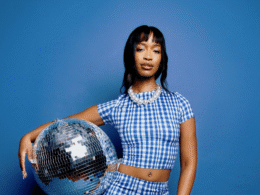



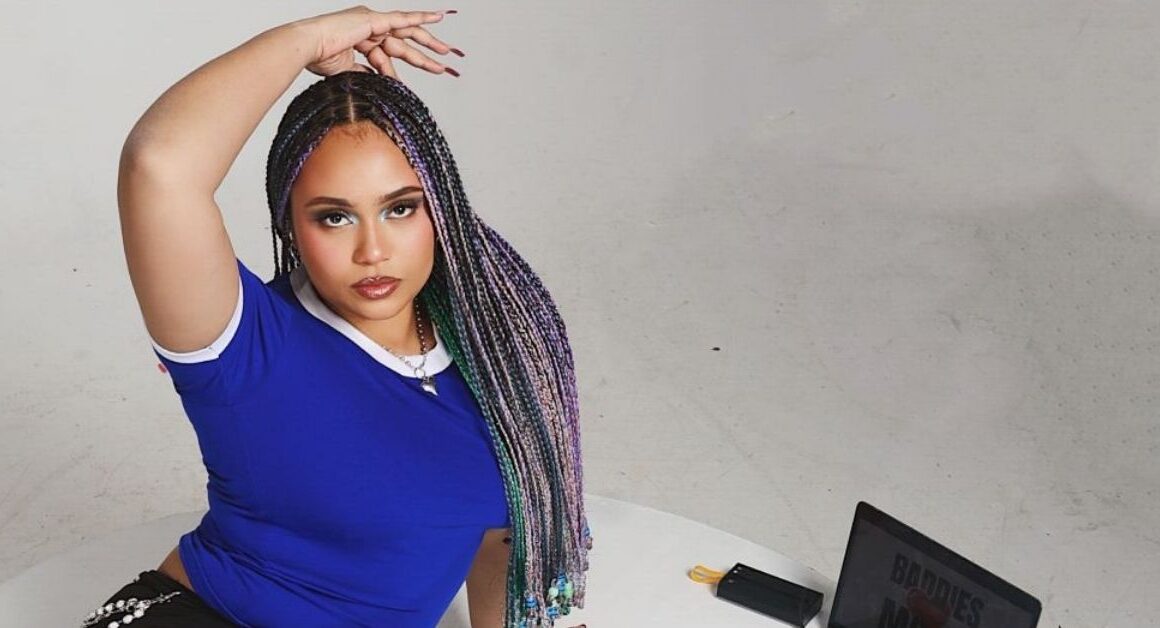
Ghanaian star MOLIY steps into the spotlight as Spotify’s EQUAL Africa Artist of the Month for January 2026. In addition to leading the EQUAL Africa campaign, she also graces the cover of Spotify’s EQUAL Global playlist, standing as a powerful emblem of the women driving Africa’s creative expansion and asserting the continent’s growing influence on the global music stage.
Celebrated for her hypnotic fusion of Afro-pop, Afro-fusion, and Dancehall, MOLIY delivers a sound that is playful yet purposeful, gentle yet commanding. Her music exists at the intersection of emotion and movement—an approach that has helped her cultivate a fast-growing international audience.
Born and raised in Ghana, MOLIY’s path into music evolved from early curiosity into a clear calling. Influenced by Ghanaian greats such as Daddy Lumba, Rex Omar, R2Bees, and 4×4, alongside trailblazing female voices including Ebony, Eazzy, Itz Tiffany, and Sister Deborah, she was shaped by artists who embodied confidence, freedom, and unapologetic individuality.
In December 2024, MOLIY released her breakout single “Shake It To The Max (FLY)”, marking a defining moment in her career. The track quickly gained viral momentum, evolving into an international anthem and solidifying her place within a new generation of African women driven by unapologetic global ambition. Her rapid rise was further reflected in Spotify Wrapped 2025, where she emerged as the most-exported Ghanaian artist.
Beyond the music, MOLIY represents a cultural shift in how African women are seen, heard, and celebrated. Through her visuals, performances, and personal brand, she champions femininity, individuality, and freedom, inspiring young women across the continent and diaspora to take up space boldly and authentically.
Spotify’s EQUAL Africa initiative continues to spotlight and elevate women’s voices, and MOLIY’s recognition highlights the central role African women play in shaping global sound and culture. “MOLIY sits comfortably at the intersection of African pop and global culture,” says Phiona Okumu, Spotify’s Head of Music for Sub-Saharan Africa. “Her music reflects a generation that is fluid, expressive, and unbound by borders—making her a powerful voice within EQUAL Africa.”
As part of the EQUAL campaign, Spotify sat down with MOLIY to discuss music, purpose, and finding peace.
On the artists that shaped her sound:
“I grew up listening to a mix of Ghanaian music and global pop. Artists like Daddy Lumba, Rex Omar, R2Bees, and 4×4, alongside female voices such as Ebony, Eazzy, Itz Tiffany, and Sister Deborah, really inspired me. They all embodied confidence, freedom, and individuality.
On how she describes her sound:
“Afro-pop and Afro-fusion at the core, with a touch of dancehall. It’s bold and playful, but still emotional—soft yet powerful music you can dance to while still feeling seen.”
On advice for aspiring creatives:
“Do whatever is in your power right now and do it consistently. For me, it started with freestyling online. Every positive message mattered. I believe in affirmations—speaking life into your goals and turning fear into belief.”
On navigating the industry as a woman:
“I stay grounded in who I am. There’s pressure to fit into boxes, but I allow my perspective to stay fluid. My artistry is shaped by confidence, vulnerability, and the freedom to exist in multiple moods at once.”
On what EQUAL means to her:
“Being a woman in this industry has taught me to trust my voice even when the room is loud. There’s real power in women supporting women. EQUAL represents visibility, support, and opportunity, and I’m grateful to be part of it.”
On something fans may not know:
“I’m actually quite introverted. I love performing and creating, but off stage I value quiet moments—being at home, spending time with family and friends, watching movies, playing online games, and protecting my peace.”
On when music became her destiny:
“In 2018, something clicked. I was searching for purpose and felt stuck in other areas of my life, but I was also creating music intentionally for the first time and falling in love with the process. I saw African music becoming a global movement and realised I had something new to add. That’s when I knew there was space for me.”