
ICXN Explores Gratitude, Family, Faith and Personal Growth on ‘TENKI’ Album.
Drawing from Sierra Leonean Krio, Ibrahim Kamara delivers an introspective body of work centred on life's challenges, personal relationships, ambition and the importance of giving thanks.
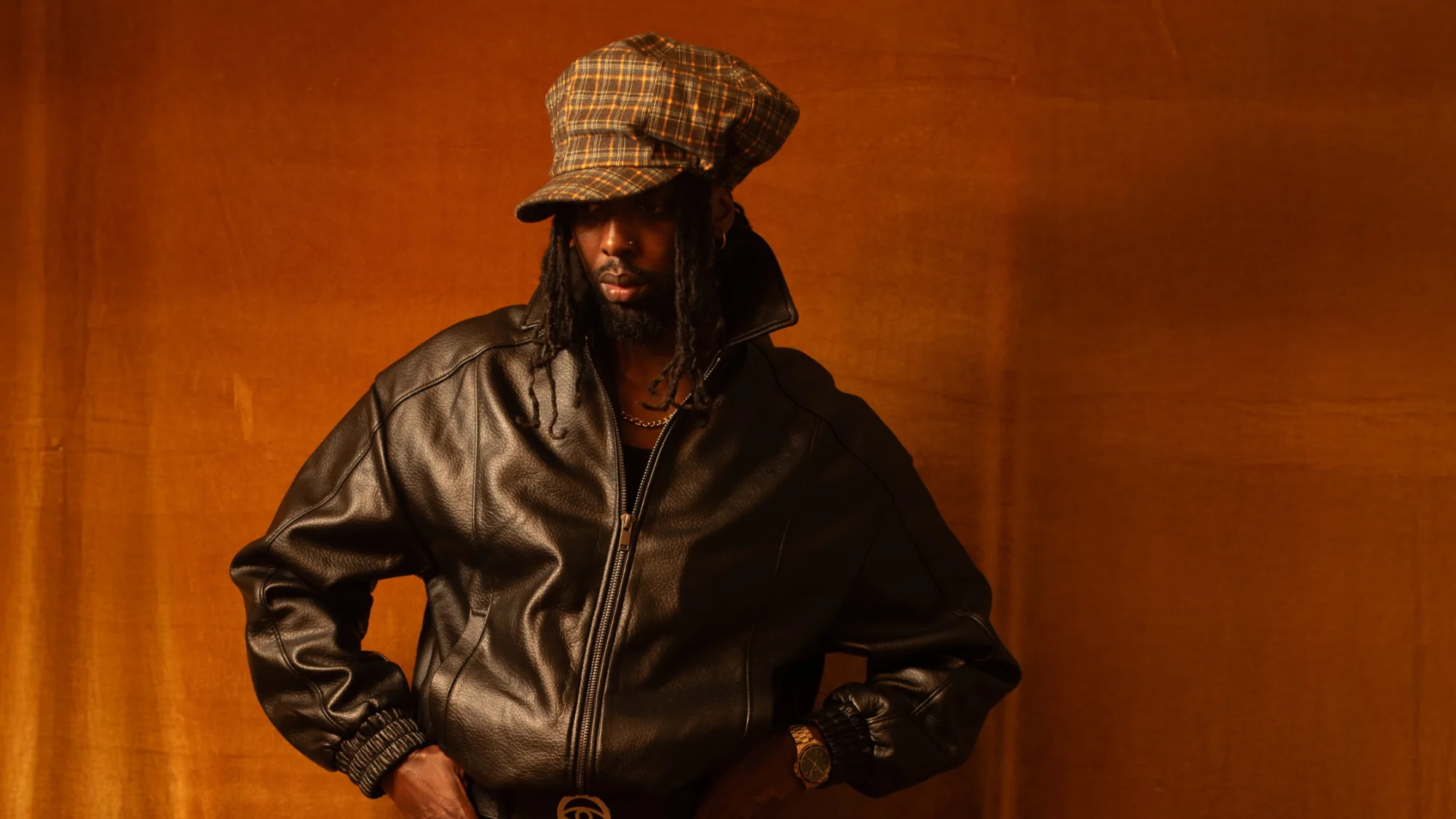
Sierra Leonean artist ICXN, who records under his birth name Ibrahim Kamara, draws inspiration from a familiar expression in Sierra Leonean Krio for his latest album, TENKI. The title comes from “A tel God tenki,” a common response to the greeting “How di bodi?” which translates to “I tell God thank you.” More than a simple expression of well-being, the phrase represents gratitude, resilience and an appreciation for life, even when circumstances are far from perfect.
Throughout the album, Kamara uses this sentiment as a recurring reminder to recognise what remains meaningful amid life's uncertainties. From the loss of his father and his mother's advancing age to financial pressures and friendships that have gradually faded, TENKI is an introspective account of navigating adulthood while holding on to gratitude.
The album's title track establishes this perspective. Drawing on a childhood memory of his mother singing the phrase, Kamara reflects on the privileges that can easily be overlooked: being alive, having freedom, watching his son grow and finding happiness in the everyday. His reflections are particularly moving because they acknowledge that gratitude does not necessarily mean having everything figured out.
Financial ambition and the realities of working towards a better life also feature prominently. On “Money Trees,” Kamara questions whether wanting financial success is something to feel guilty about. He captures the frustrations of working hard while watching money disappear almost as quickly as it arrives, balancing humour with a genuine desire for stability and prosperity. Beneath the song's playful moments is a deeper conversation about the sacrifices involved in pursuing a better future.
That pursuit comes at a personal cost, particularly when professional commitments begin to interfere with relationships. “My People,” featuring Khasmina and Kofi Stone, examines the emotional consequences of being constantly occupied with work. Khasmina introduces the song with an apology to loved ones for his absence, while Kamara reflects on seeing photographs of family gatherings and shared moments he could not attend. Kofi Stone adds another perspective, addressing the difficulty of maintaining relationships while navigating life between Birmingham and London. His contribution also touches on personal loss and the importance of remembering those who are no longer around.
On “forevaFLOW,” Kamara takes a more unstructured approach, reflecting on his experiences while travelling through the city and processing the direction his life has taken. The track moves between observations about the music industry, personal ambition and the advice he received from his late father. One particularly intimate reflection recalls his father's warning against sacrificing his health in the pursuit of financial success. He also considers his mother's habit of waiting for him to return home, a reminder that regardless of how much responsibility he carries as an adult and a father himself, he remains her child.
The importance of family returns on “For Life,” where Kamara encourages listeners to appreciate the people around them while they still have the opportunity. His reflections on his mother's ageing and his own changing appearance give the song an added sense of urgency. The message is straightforward: life deserves more attention than the distractions that increasingly consume it. Its uplifting chorus turns that sentiment into a communal celebration, encouraging people to find reasons to enjoy each day.
Meanwhile, “Bloom” revisits the subject of friendships and the distance that can develop between people over time. Inspired by old photographs and memories of people he once shared his formative years with, Kamara questions how relationships that once felt permanent can gradually become distant. Jenomé provides the melodic centre of the track, reinforcing its themes of change, personal development and acceptance. “Strangers,” featuring Khasmina, explores a similar experience from another angle, telling the story of two people whose relationship deteriorates until they become unfamiliar to each other. Kamara's closing sentiment, however, is one of goodwill rather than resentment.
Family loyalty and dependable relationships take centre stage again on “FAY (Faith Always Yours).” The song celebrates the people who remain present through difficult periods, combining friendship, family and unconditional support. Featuring ntxmbenhle, it presents loyalty as something demonstrated through consistent actions rather than words. Jenomé returns on “Make Me Better,” a love song that explores the comfort of being accepted despite personal imperfections. Built around an interpolation of Common's “The Light,” with violin contributions from Nadia Simon, the record brings a familiar warmth to the album's exploration of intimacy.
Romantic relationships receive further attention on “Luvstyle,” which features spoken-word artist Sophia Thakur. Her contribution introduces poetic imagery and religious references to the conversation around affection and attraction. Although the track occasionally loses its lyrical focus, Thakur brings an expressive quality to the record. “Nobody,” featuring jev., takes a different direction, exploring attraction and emotional independence while Kamara reflects on the personal baggage he carries.
Perhaps the album's most revealing moment arrives on “Voices.” Here, Kamara turns inward, examining the competing thoughts and influences that occupy his mind during moments of solitude. The song considers the difficulty of distinguishing personal convictions from external expectations, as well as the tension between doubt and faith. His willingness to put those uncertainties into music makes the record one of the project's more compelling moments.
The closing stretch maintains this spiritual perspective on “Believe,” although its message is delivered more through motivational declarations than the personal storytelling that gives some of the earlier songs their emotional weight.
Ultimately, TENKI is an album about recognising the value of life while coming to terms with everything that changes along the way. Ibrahim Kamara moves between personal memories, financial aspirations, family responsibilities, romantic relationships and spiritual reflection, offering listeners an honest account of the experiences shaping his perspective. Its strongest moments emerge when he embraces vulnerability, allowing the complexities of his life to sit alongside the gratitude that inspired the project.
Rather than presenting gratitude as an absence of struggle, TENKI suggests that it can exist alongside grief, uncertainty, ambition and disappointment. It is a reminder to acknowledge what life has given, appreciate the people who remain and make the most of the time available.
Favorite Track(s): “TENKI,” “For Life,” “forevaFLOW”
Want more music news and culture content? Hit follow @halfslice.co now.
Stay ahead of the culture. Read our newest features and explore our full archive of stories at Halfslice.co
Comments
Keep reading
Joshua Baraka Brings East and West African Sounds Together on New EP ‘Recess II’
EMMANUEL APPIAGYEI1 min
Solana Signs With Since ’93 Records as Sony-Backed Label Strengthens Its African Roster
EMMANUEL APPIAGYEI1 min