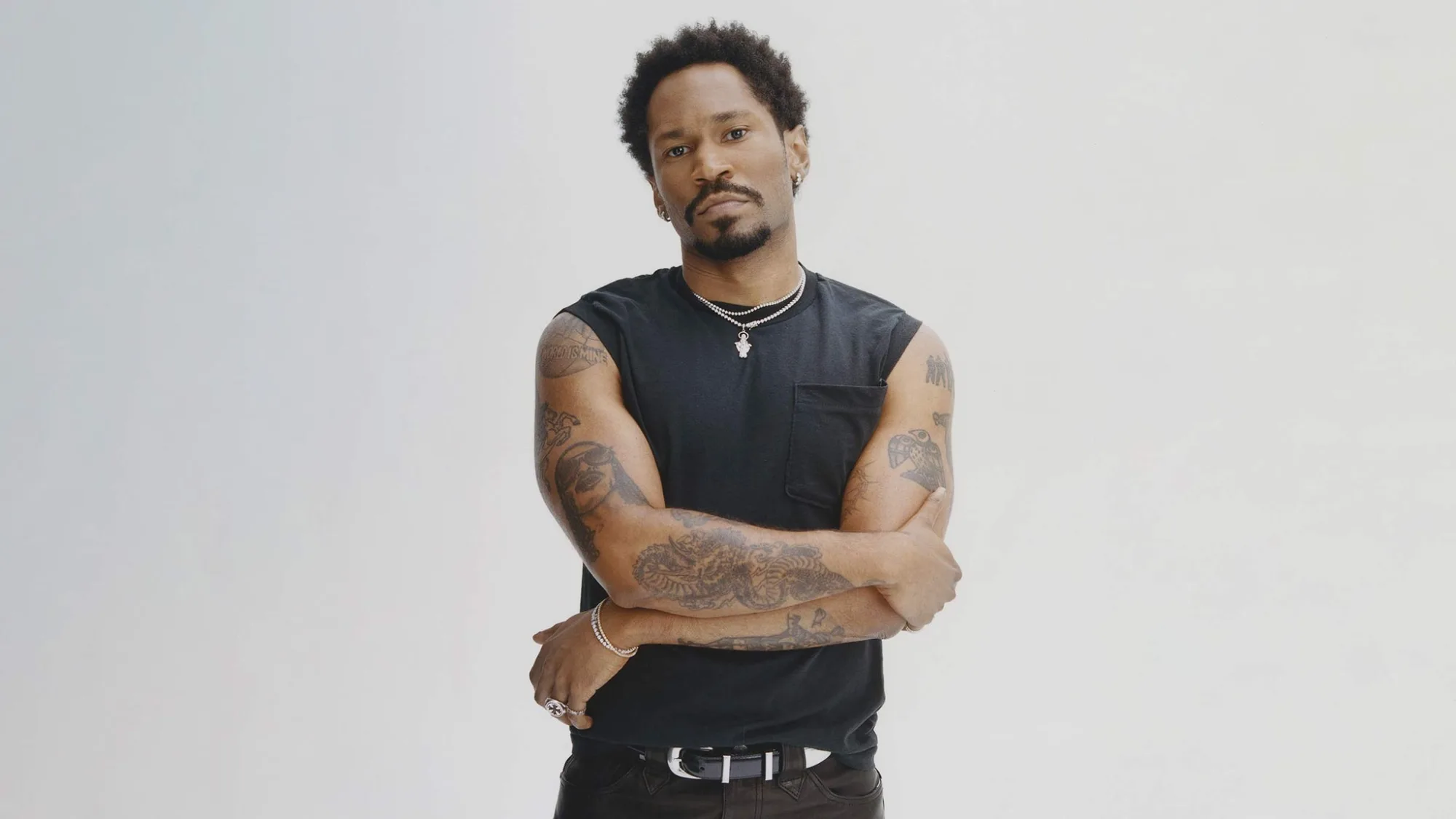
INTERVIEW: Antony Owich Asumo on Building African Hospitality Brands for a Global Audience
The CIEL Lounge founder discusses his journey from global beverage brands to entrepreneurship, the role of music and culture in shaping hospitality, and his vision for taking African lifestyle experiences to the world.
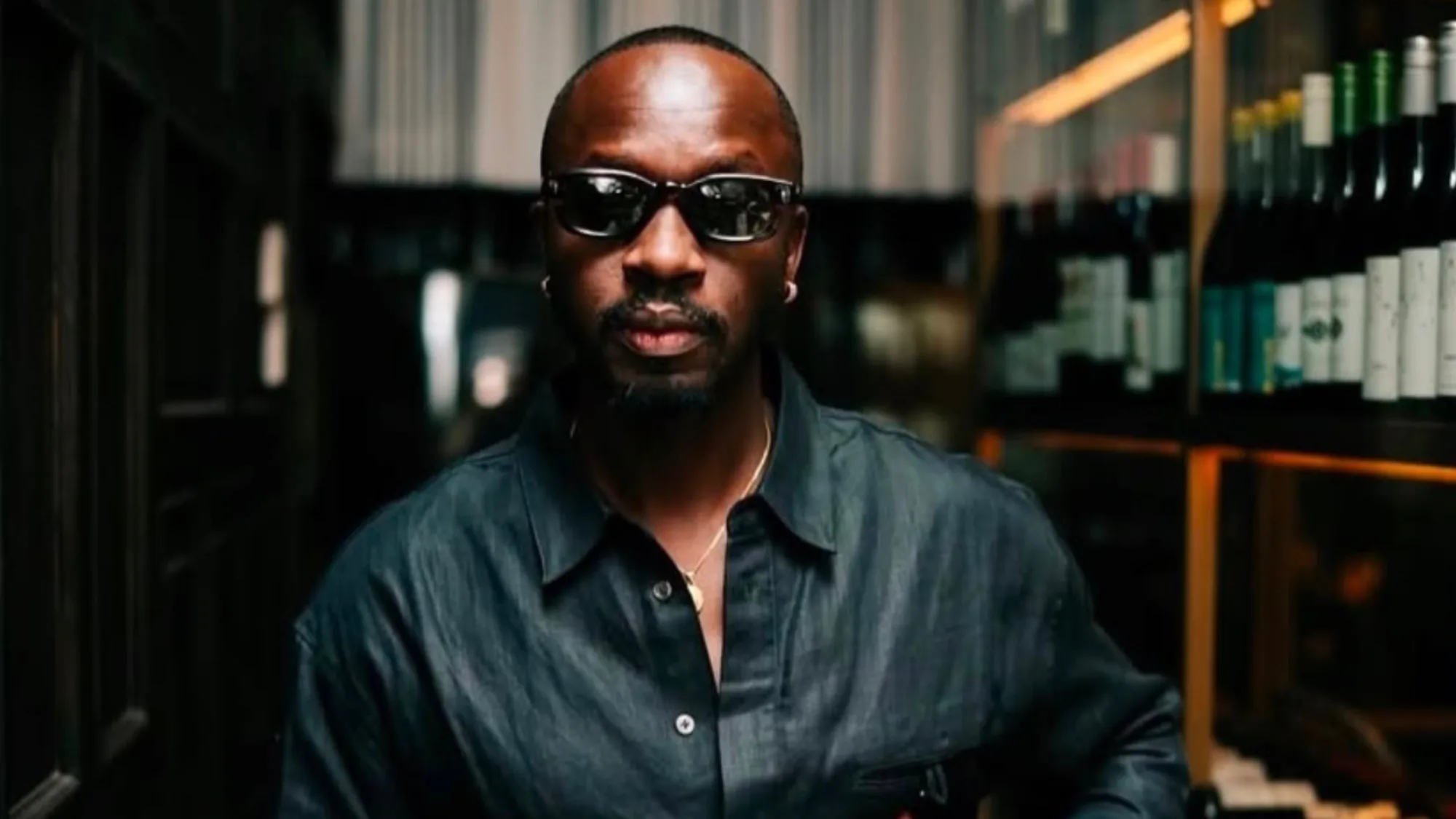
In this conversation with Half Slice, Antony Owich discusses his entrepreneurial journey, the business of hospitality and nightlife, and the opportunities shaping Africa’s evolving hospitality landscape.
For readers who may not be familiar with your work, could you tell us a little about yourself and the role you play in shaping Africa’s hospitality and nightlife landscape?
My name is Antony Owich, a Kenyan entrepreneur, investor, and hospitality executive with a passion for building distinctive hospitality and lifestyle experiences. I am the founder of CIEL LOUNGE, a Nairobi-based hospitality and entertainment destination redefining the city's social scene through thoughtfully curated experiences, contemporary hospitality, and vibrant entertainment.
My professional background spans economics, finance, consumer marketing and brand development, with experience at Pernod Ricard, Carlsberg Group and Diageo. Through my ventures, I am focused on building businesses at the intersection of hospitality, entertainment, consumer experiences and commerce.
You have worked with global beverage brands such as Pernod Ricard, Carlsberg, and Diageo. How did that experience influence your transition into entrepreneurship?
Honestly, every one of those chapters is still with me. Early in my career, I was taught to think as though I owned the business: keep costs lean and get the most out of every resource.
Carlsberg was a real hustle. I had to build a product from scratch with very little and figure out how to win anyway. Diageo was the complete opposite. Suddenly, there were resources, and the question became how to use them to deliver the best return. Pernod Ricard then taught me about community. I spent a great deal of time with bartenders and club owners, and
I realised that a brand only truly lives when the people on the ground carry its story. When I stepped into entrepreneurship, I brought all of that with me. CIEL is every one of those lessons under one roof.
What inspired you to establish CIEL Lounge, and what gap in Nairobi's hospitality and entertainment landscape were you looking to address?
It started simply. I wanted a space where I would love to spend my evenings and one my friends would love too. Before we built anything, however, we listened. Through social listening, it became clear that people in Nairobi wanted more from a night out, particularly better sound and ambiance, and they simply weren't finding it at home. That was the gap. CIEL was built so that Nairobi would no longer have to travel for that kind of experience.
CIEL brings together food, cocktails, design, music, and nightlife. What was the vision behind creating a destination that goes beyond the traditional hospitality experience?
The dream was a space that engages all five senses: what you hear, see, smell, taste, and feel. You should leave still replaying the night in your head. That is what CIEL does, and it is why we keep seeing the same faces return. That brings its own beautiful challenge: how do you keep surprising someone who has been with you ten times? For us, the answer lies in staying consistent while finding ways to innovate, in both the small details and the big moves.
How important are music and cultural experiences to CIEL's identity, particularly your decision to host South African Afro-house DJs?
Music is everything. It is the soul and the DNA of CIEL. Our sound lives in Afro-house, Amapiano and Bongo, and we love weaving in Arabic and European influences in a way that still feels like Nairobi. Picture a French record riding an Afro-house groove; that is the energy. We book only the best homegrown talent, alongside DJs from across the continent and Europe. Ghana's own DJ Nektunez is a perfect example.
The way he read our room was impeccable. South Africa has been a significant part of the journey too. We have been fortunate to experience its scene firsthand, and its DJs are accessible, open to travel, and genuinely love to collaborate. Geographically, the partnership makes sense. The real magic lies in co-creating with them and growing a bigger audience together.
How do you see hospitality spaces contributing to the growth of Africa's music, nightlife, and wider creative industries?
Spaces like ours have become homes for music. We have welcomed Sarkodie, Ne-Yo and Mr Eazi, and venues like CIEL have become test tubes where new music is felt first before it spreads. In many ways, we have taken over the role radio once played. You hear a track, it moves you, you dance and you Shazam it. That is how songs break today.
The impact reaches far beyond music. When CIEL was set up in a zone that was agreeable and compliant, it shifted where Nairobi goes out. That ripples through the entire night economy, from food and parking to security and ride-hailing, touching everyone who works when the city comes alive after dark. We also open doors for creatives who would not otherwise reach this audience, particularly in fashion and beauty.
CIEL is a hybrid. We design the entire guest journey across music, drinks, and culture, and through brand collaborations, we raise the standard for everyone and create real opportunity along the way.
What does it take to build a hospitality brand that maintains a distinct African identity while appealing to an international audience?
People assume you have to give up one to gain the other. I don't believe that. CIEL has an African soul and a global spirit. The global spirit shows up through our DJs and brand partnerships, while the African soul runs through everything else. It is hospitality and lifestyle seen through a global lens, made by Africans for the world.
You taste it in the food, which is global cuisine with an African touch. You see it in the design, where we celebrate five of Kenya's leading designers. That craftsmanship gives the space a personality you feel the moment you walk in.
What are some of the biggest challenges of building and operating an independent hospitality business in today's market?
The first is depth. Your brand needs real substance, especially once people start copying what you do, and they will. The second is capital. Securing funding from banks and microfinance institutions is difficult, even though every venture carries risk. It ultimately comes down to the location and the plan. The third is talent.
The best people often choose large, established groups for security, so you have to earn their trust and build your reputation first. The last is choice. Large hotel groups have an extensive pool of suppliers and resources. As an independent, you have fewer options, but your standards can't slip, whether in maintenance or fit-out.
You have ambitions to build African hospitality and lifestyle brands with international reach. What does that vision look like beyond CIEL?
CIEL proves that a brand can be unapologetically African and still built for the world. The vision beyond it is Pan-African: drawing on the richness of different corners of the continent, growing into strategic cities across Africa and then taking it global. Every move is about showing that African hospitality is not a niche. It is a standard.
How do you see the African hospitality and lifestyle industry evolving over the next five years?
Africa is going to export more and more of what it has to offer. Our diaspora comes home once or twice a year, and we have already shared our music and entertainment with the world. Food, culture and design are next, and so is our hospitality, from our people to the way we serve. Fashion is already leading the way, with global brands coming to the continent to dig deeper rather than relying on outside influence.
Today's travellers value experience over infrastructure, and I truly believe African hospitality brands will become global brands. Nairobi is the launchpad, Lagos is the cultural powerhouse, and Cape Town leads in food, beverage and design. Even our furniture is travelling. The way we live is becoming something the world wants.
Beyond business growth, what legacy would you like to create through CIEL and your broader entrepreneurial journey?
For me, legacy is not something you find on an Excel sheet. You see it in people: the team member who grew into a leader, the young DJ who played their first big set at CIEL, the designer whose work landed in front of the right person at the right time. When people see where I started and where I am now, I hope it shows them that turbulence does not get to decide where you end up.
That same spirit lives in the CIEL Foundation. Through regular, strategic philanthropy campaigns, we reach people in our community who may never walk through our doors but still deserve to feel the impact of what we have built. Businesses get copied, and buildings eventually close, but the lives you touch keep your story going.
Want more hospitality & culture content? Hit follow @halfslice.co now.
Stay ahead of the culture. Read our newest features and explore our full archive of stories at Halfslice.co
Comments
Keep reading

BNXN and CIZA Set to Headline Gold BlockParty in Accra This November
EMMANUEL APPIAGYEI1 min