




Four years is a long gap in Afrobeats, and for Omah Lay (Stanley Omah Didia), it wasn’t exactly smooth sailing. After the success of Boy Alone in 2022, a project steeped in loneliness, late nights, and emotional escape, he seemed set for a clear next chapter. The album topped charts, pulled in major collaborations, and even fed into bigger moments across the scene. But what followed was a reset he didn’t plan for.
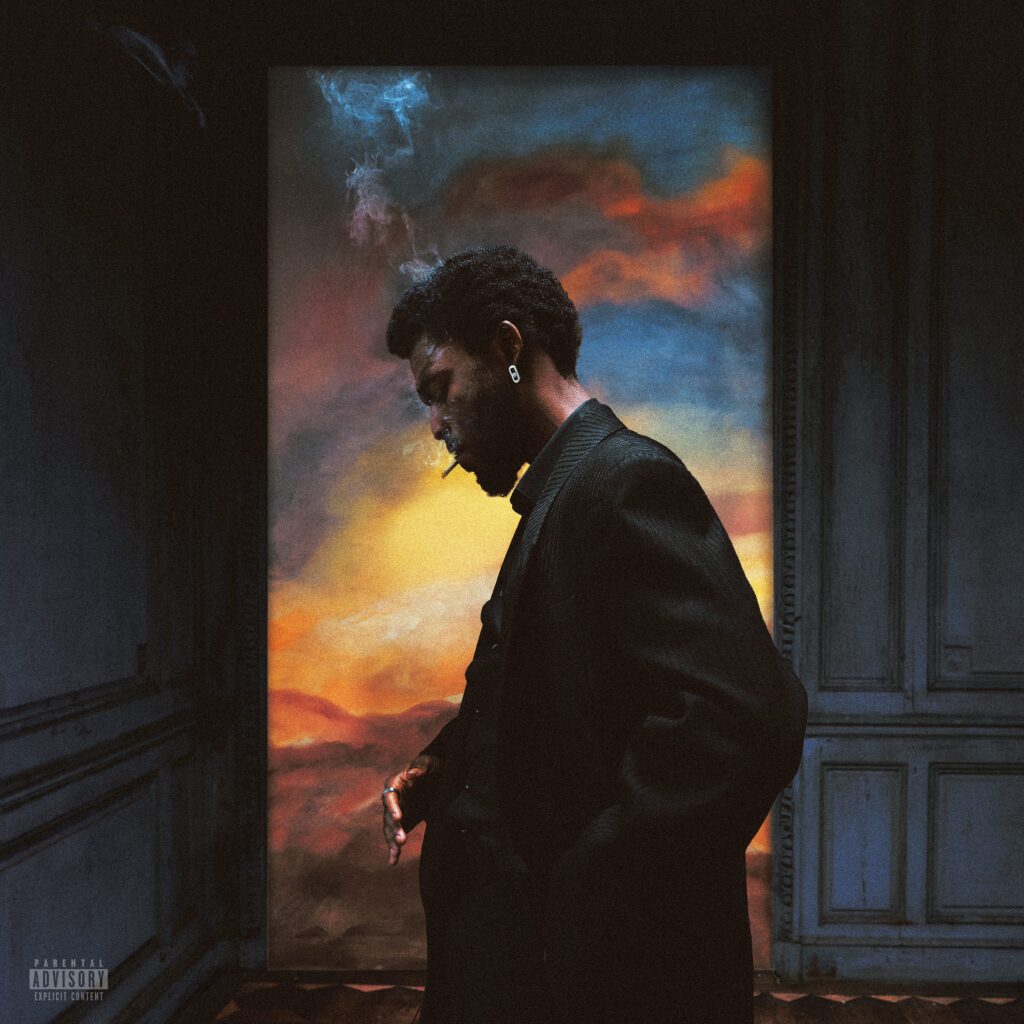
In 2024, during a conversation on The Zach Sang Show, he revealed that an unreleased direction he had been working on was seemingly picked up and released by someone he trusted. Without naming names publicly, the situation, backed by leaked conversations and producer insights, forced him to scrap months of work and start again from scratch. What came out of that restart is Clarity of Mind, his sophomore album. And if there’s one thing the project makes clear, it’s this: he’s stuck in a cycle he can’t quite break.
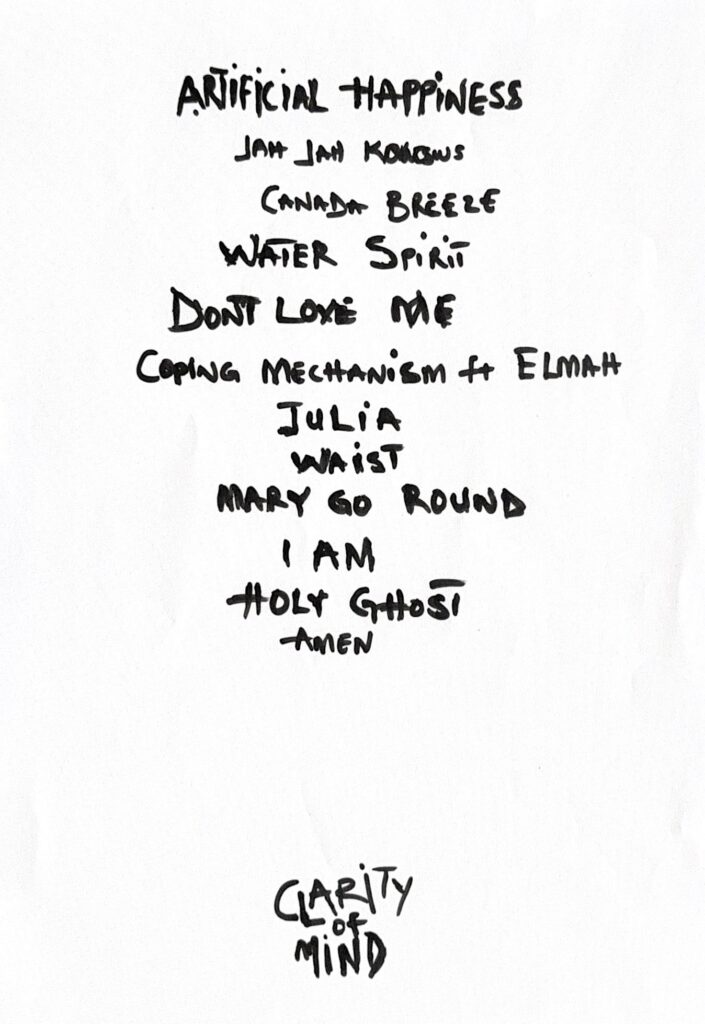
The album opens in a haze, with “Artificial Happiness” framing cannabis as both comfort and narrator. It sets the tone for a recurring theme, temporary highs that never quite fix anything. A few tracks later, “Don’t Love Me” strips things down even further. Substances don’t hit the same anymore, emotions feel dulled, and relationships are reduced to transactions. There’s a sense of awareness in his writing, but no real escape from the patterns he’s describing.
That contradiction runs throughout the project. On “I Am,” he openly admits to knowing the dangers of his habits, whether it’s smoking or chasing money, yet continues anyway. Elsewhere, like on “Waist,” playful moments about desire quickly blur into spiritual pleas, mixing humor, lust, and prayer in a way that feels both intentional and conflicted. Faith and indulgence sit side by side across the album. Songs like “Holy Ghost” and “Amen” blend religious language with nightlife realities, without ever resolving the tension between them. It’s not framed as hypocrisy; it just exists, unfiltered.
Some tracks don’t add much new to the conversation. “Water Spirit” leans heavily into sensual imagery dressed in spiritual metaphors, while “Mary Go Round” circles familiar themes without pushing them further. They feel more like echoes of stronger moments elsewhere on the album.
There are, however, moments where the mask slips. On “Jah Jah Knows,” he questions his own identity beyond fame and lifestyle, wondering who he really is when everything else is stripped away. “Coping Mechanism,” featuring Elmah, is even more vulnerable. It’s one of the few times the album slows down enough to sit with the weight of his emotions, burnout, disconnection, and the quiet search for belonging.
Production-wise, Tempoe’s heavy involvement keeps the sound cohesive. The mid-tempo beats give Omah Lay space to lean into his signature delivery, somewhere between singing and murmuring, while the minimal features keep the focus tightly on his internal dialogue. By the time you get to tracks like “Julia,” where a table meant for twenty turns into a night spent alone, the album’s title starts to make sense. Clarity of Mind isn’t about solutions. It’s about recognition, seeing the patterns, naming the emptiness, and still waking up to repeat it all over again.
Want more music news and culture content? Hit follow @halfslice.co now.
Stay ahead of the culture. Read our newest features and explore our full archive of stories at HalfSlice.co