



African entertainment’s global rise has brought its music, film, and culture to new audiences. Yet sustaining this momentum requires more than visibility; it demands investment, stronger intellectual property frameworks, and infrastructure that enables creative businesses to thrive.
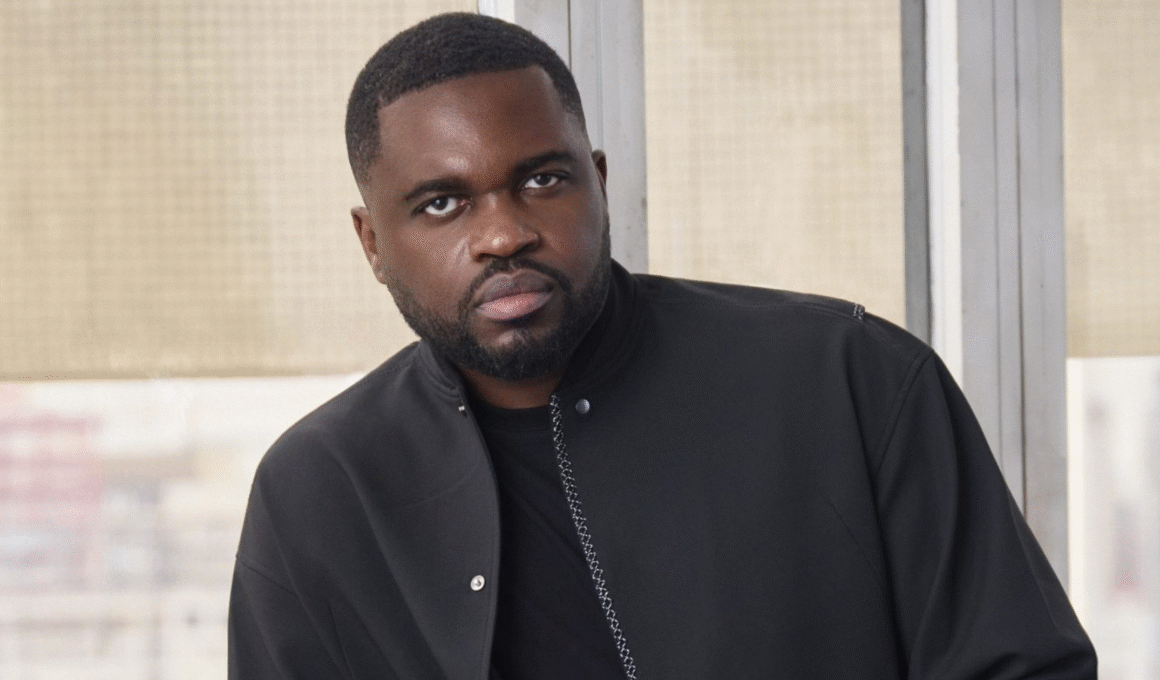
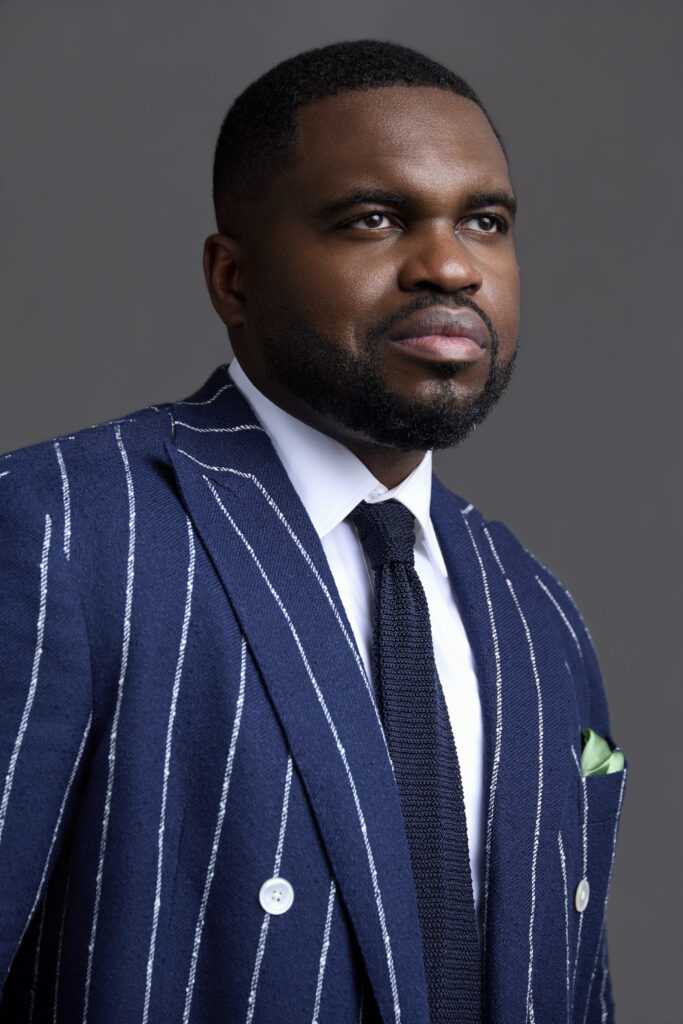
As Executive Director and co-founder of Livespot360, Solomon Sonaiya has spent over two decades working across music, entertainment, and live experiences, with a focus on building the systems that support the industry’s growth.
In this conversation with Half Slice, he discusses the realities of building Africa’s creative economy, the vision behind Entertainment Week Africa, and what it will take to turn cultural influence into lasting economic value.
For readers who may not be familiar with your work, could you tell us a little about yourself and the role you play in shaping Africa’s creative and entertainment landscape?

I’m Solomon Sonaiya, Executive Director at Livespot360, and my work sits at the intersection of culture, entertainment, business, and live experiences. Before co-founding Livespot360, I worked in the music business as a talent manager and record label executive. I’ve always believed that entertainment has the power to do more than create memorable experiences. It can shape culture, influence perspectives, drive socio-economic change, and create opportunities that extend far beyond the experience itself.
Through Livespot360 and our work across live experiences, content production, creative services and infrastructure building, we have essentially been developing the creative and entertainment economy around us out of necessity. As a company, bringing our creative visions to life often means finding ways to bridge gaps in technical resources and infrastructure, developing solutions that enable us to deliver on our ambitions.
My role has always been centred on shaping the vision and strategic direction of the company, which is intrinsically linked to how we build a commercially sustainable creative ecosystem.
I’m particularly interested in building platforms that give African talent and entrepreneurs greater visibility and access, create meaningful opportunities across our creative industries, drive broader economic development, and position African culture as a force that shapes global conversations. For me, it’s about building things that matter today while creating a foundation for the next generation of African creatives and entrepreneurs.
You’ve spent years working at the intersection of entertainment, culture, and live experiences. What first drew you to this space, and how has your perspective on the industry changed over time?
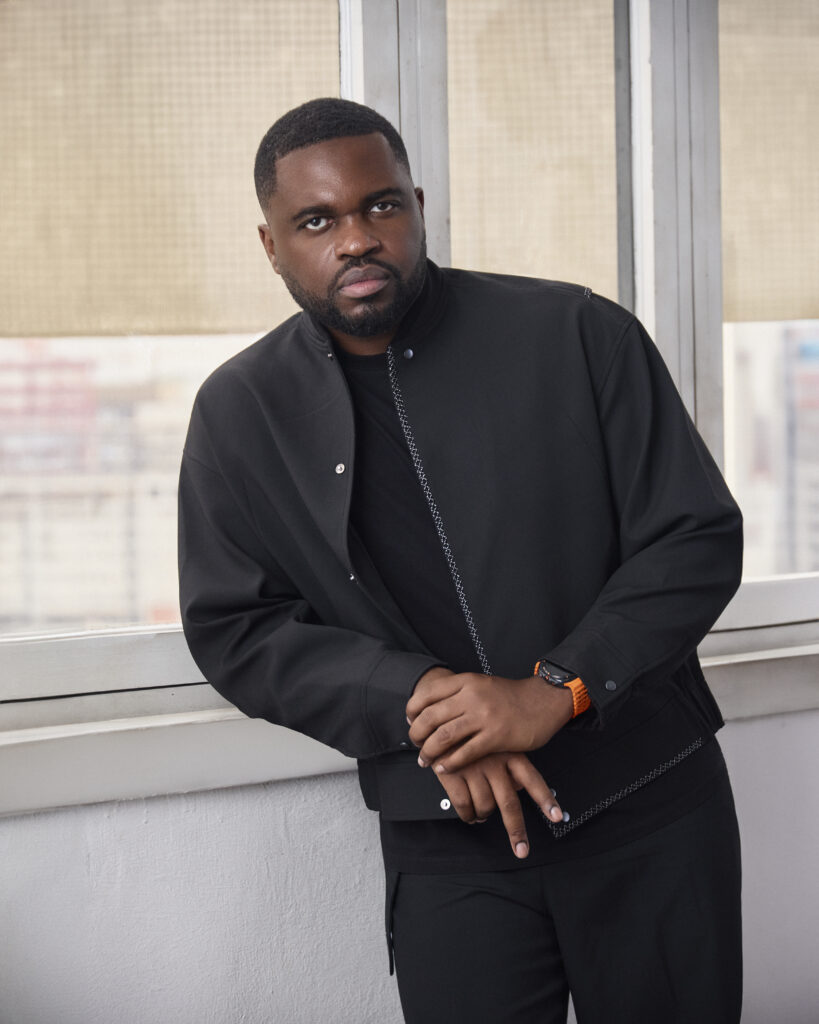
What first drew me to this space was the desire to express my creativity as a music producer, performance artist, and writer. I have always been a creative at heart, and that passion led me into the entertainment industry, where I began working with other creatives about 25 years ago.
Over time, my experiences across different parts of the industry have broadened my understanding of the business of entertainment and shaped my perspective on its wider possibilities. Having worked as an artist, behind the scenes as crew on tour, and in the promotion and production of events and content, I’ve come to understand that behind every experience or cultural product is an entire ecosystem of people, businesses, ideas, legal frameworks, and investments that make it possible.
My legal education has also deepened my appreciation of intellectual property and its role as a fundamental driver of the creative economy. It has reinforced my understanding that creativity is not just about the work itself, but also about how that work is protected, commercialised, and translated into sustainable value for the people who create it.
Today, I think about entertainment not just in terms of production or audience numbers, but in terms of the value it creates. Are we creating opportunities for talent? Are we building sustainable businesses? Are we developing platforms that can grow beyond a single event? Those questions have become increasingly important to me.
As Executive Director of Livespot, you’re constantly balancing creative ideas with business realities. How do you ensure that the creative vision remains strong while building something that is commercially sustainable?
I don’t necessarily see creativity and commercial sustainability as opposing forces. In fact, I believe the strongest creative ideas are often the ones that can stand up commercially because they understand their audience, have a clear purpose, and create value for everyone involved. At Livespot360, the starting point is understanding what we want an experience to achieve. Once that vision is clear, we have to be equally disciplined about how we bring it to life, from the audience we want to reach and the partners we engage to the resources required to deliver it.
Commercial realities are important because they determine whether an idea can be executed properly, repeated, and developed over time. But they shouldn’t become a reason to lose the original vision. The challenge is to find solutions that protect the integrity of the creative idea while making the business model work. Ultimately, sustainability gives creativity room to grow. When you build the right structures around a good idea, you create the opportunity to take it further, reach more people, and generate greater impact.
The entertainment industry is constantly changing, especially across Africa. What excites you most about where the industry is heading, and where do you think we’re still falling short?
What excites me most is the growing global positioning of African cultural products and the way our music, fashion, film, art, and lifestyle are increasingly influencing how the world sees and experiences Africa. We are seeing African creativity move beyond cultural representation to actively shape global tastes, conversations, and consumer experiences. There’s also a new generation of creatives who are ambitious, digitally connected, and willing to experiment with new ways of building their careers.
I think we’re moving beyond simply asking whether African talent can compete globally. The more important question now is whether we can build the systems, infrastructure, and commercial frameworks that enable African talent and businesses to capture greater value from their creativity, while expanding the creative sector’s contribution to our GDP and broader economic development.
That’s where I believe we still have work to do. We need stronger physical and digital infrastructure, better access to financing, more structured partnerships, and more opportunities for the different parts of the creative economy to work together. We also need to think beyond individual successes and focus on building sustainable industries. The opportunity is enormous, but cultural visibility alone is not enough. We must turn that visibility into ownership, investment, employment, and long-term economic value. That’s the next stage of growth I’m particularly excited about.
Looking back at last year’s EWA, what stood out to you the most? Was there a particular moment, lesson, or outcome that shaped how you approached this year’s edition?
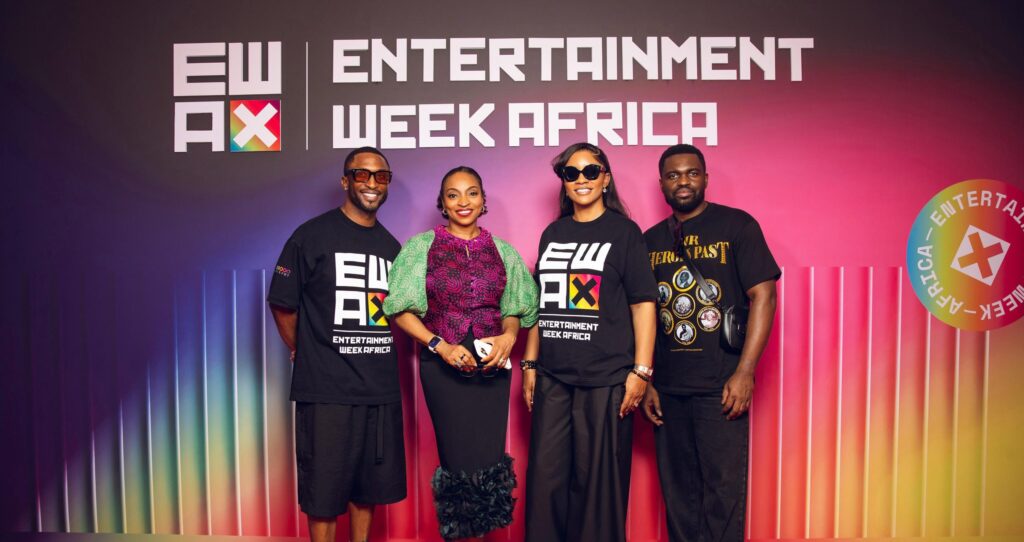
What is always great to witness with every EWA edition is the opportunity to see what happens when you create a space where culture, creativity, and community come together with a clear sense of purpose. EWA gave us an important opportunity to begin bringing that vision to life and to see how an experience built around more than entertainment can create meaningful outcomes.
One of the most exciting outcomes was the music we created through SoundLab, our newly launched music camp, which brought producers and writers from India to Lagos to collaborate with African music creatives. Cross-cultural collaboration is not new to us, but what stood out was the depth of the engagement. It went beyond surface-level interaction to create an authentic cultural fusion through music. For me, it reinforced the importance of being intentional about how we facilitate these exchanges and create environments where different creative perspectives can genuinely influence one another.
Another session that shaped our approach to this year’s edition was our Money on the Table roundtable, where we focused on finding solutions to challenges around royalty collection. We also had several roundtables in the Film track tackling other structural issues, particularly around funding models. These are complex, systemic issues that cannot be resolved in a single conversation.
However, the sessions reinforced a fundamental principle behind the EWA concept: our sessions and conversations must go beyond discussion to actionable outcomes. We want to create pathways for ideas to translate into practical, measurable interventions that can help move the needle within our creative industries, long after the event itself.
These experiences reinforced my belief that EWA’s value lies not only in the cultural experiences it creates, but also in its ability to facilitate meaningful collaboration, address industry challenges, and contribute to the long-term development of Africa’s creative economy.
What inspired the vision for EWA in the first place? What gap did you see in the industry that you felt the platform could help address?
EWA was born out of a desire to formalise and scale much of the work Livespot360 had been doing organically to strengthen the local creative sector, particularly through upskilling, capacity building, and infrastructure development. As a business operating within the creative economy, we also recognised that our ability to thrive was closely connected to the strength of the ecosystem around us.
There was a need to empower our community, develop local capabilities, and create an environment in which creatives and businesses could grow together. In many ways, building this ecosystem was not just about contributing to the industry; it was also about addressing the structural gaps that affect our own ability to operate and grow sustainably.
EWA became our way of taking that impact to a larger scale. We wanted to create a platform that celebrates and promotes African culture and talent in a way that feels contemporary and intentional, while connecting our creative community to the opportunities, partnerships, knowledge, and resources available within the wider global creative economy.
Ultimately, the vision was to build something that goes beyond an event: a platform through which we can contribute to developing the talent, infrastructure, and commercial opportunities needed to strengthen Africa’s creative industries and enable them to realise their full economic and cultural potential.
As you prepare for this year’s edition, what are you doing differently? What can people expect this year that builds on what you started last year?
This year, we’re approaching EWA with an even stronger focus on intentionality. Building on the foundation of the previous edition, we want to be more deliberate about how every session, interaction, and experience contributes to the broader vision behind the platform.
For me, growth isn’t simply about making EWA bigger or more elaborate. It’s about making it more relevant and valuable to the people who engage with it, whether that’s 100 people or 10,000. The real measure of growth lies in the quality of the experience, the value people derive from the time they spend with us, and how the opportunities and connections we create for talent, partners, and audiences translate into meaningful outcomes.
People can expect an experience that continues to celebrate and empower African creativity while strengthening the relationship between culture, community, and business. We want people to leave with something tangible, whether it’s new knowledge, valuable connections, fresh perspectives, or opportunities they can build on beyond the event itself.
Ultimately, we’re looking to move beyond creating a great experience to generating impact on a broader scale. Every edition of EWA should build on the last, not just in terms of production or participation, but in the value it creates for the creative community and the contribution it makes to the wider African creative economy.
Beyond the event itself, what do you ultimately want EWA to become? Is the ambition to build a recurring experience, a broader cultural platform, or something bigger?
It’s important to understand that EWA is bigger than an event. It is designed to serve as a rallying point within a year-round calendar of activities centred on skills and enterprise development, sector development, advocacy, and strengthening the wider creative ecosystem. The event is an opportunity to showcase, highlight, convene, and tell the story of that broader mission.
However, we don’t see EWA as a once-a-year activation, but as part of a broader, year-round platform being developed by Livespot Foundation through Labspot, our initiative focused on strengthening the creative ecosystem through skills and enterprise development, sector building, and advocacy.
The ambition is to create impact that extends beyond individual events, with the potential to influence the development of the creative economy both in Africa and globally. I have always envisioned EWA having the kind of convening power and influence associated with platforms like the World Economic Forum in Davos or the UN General Assembly, becoming an essential gathering for conversations and action around not just the development of Africa’s creative economy, but Africa’s broader socio-economic development.
Ultimately, I want EWA to become a platform where culture, business, innovation, and policy intersect to drive meaningful change. The ambition is to build something that actively strengthens the ecosystem around it, creating opportunities, influencing conversations, and contributing to the continent’s long-term development.
When people leave EWA this year, what do you hope they take away from the experience, beyond the entertainment itself?
The takeaway is central to the purpose of EWA. We never wanted to build another conference or talk shop. We want every session, masterclass and conversation to deliver something meaningful, whether that is uncommon knowledge, actionable strategies or investment and partnership opportunities. Of course, we want people to enjoy themselves, discover great talent and create lasting memories. For our international guests, we also want to deepen their connection to the African creative market and their appreciation of the creativity, ambition and possibilities here.
The work continues beyond the event. Through LabSpot, we keep developing talent and building capacity, while our Deal Room incubator provides ongoing mentorship and guidance to help our startups build successful businesses. Ultimately, I want people to leave with something they can build on: a new idea, a valuable relationship, a clearer direction or a deal they can take forward. That is how EWA creates lasting value.
We’re seeing more global interest in African music, talent, and culture. How can platforms like EWA turn that interest into real opportunities for African creatives and businesses?
Global interest is a starting point. The real work is turning that attention into a sustainable market that benefits the people creating the culture and the businesses supporting it. Platforms like EWA can bring talent, brands, investors and industry professionals together to turn that interest into partnerships, investment and commercial opportunities.
That means helping creatives reach new audiences, facilitating collaborations across Africa and internationally, and opening pathways for creative businesses to scale. It also means working together to shape policies that recognise the value of our creative capital and support its development. We have to be intentional about what happens beyond visibility and global hype: fair commercial terms, intellectual property ownership, access to markets and the skills and structures needed to build sustainable careers are key.
Most importantly, our industries also need to be strong at home, with thriving local audiences, viable businesses and opportunities for talent to grow within their own communities. The real win is when global recognition creates tangible value for African creatives and businesses while strengthening the ecosystem that made that success possible.
Brands are increasingly looking for authentic ways to connect with culture and audiences. From your experience, what separates a meaningful brand partnership from one that simply looks good on paper?
For me, the difference comes down to alignment, credibility and contribution. A partnership can look impressive in a deck, but if it doesn’t connect with the audience or contribute meaningfully to the experience, it does little to build a lasting relationship between the brand and its consumers. The best partnerships start with understanding the culture, respecting the communities behind it and finding a role that goes beyond placing a logo. With so much content competing for attention, increasingly fuelled by AI, that understanding matters more than ever.
Too many brands follow trends and hope a connection will follow. Meaningful partnerships require a longer view: what value are we adding, how are we improving the experience, and what are we contributing to the wider ecosystem? Young audiences have choice, a strong sense of ownership over their culture and a sharp instinct for inauthenticity. Brands earn lasting relevance by participating consistently and making a contribution people can feel.
People attend events for different reasons, but not every event leaves a lasting impression. What do you think makes an experience truly meaningful enough for people to remember and talk about long after it ends?
We live in an attention economy. If you are creating an experience, you have to give people a reason to look up from their phones. Even when their favourite artist is on stage, the performance and production still have to capture and sustain their attention. Memorable experiences bring emotion, detail and purpose together. People may come for an artist, the atmosphere or simply a good time, but what stays with them is how the experience made them feel.
At Livespot, we recognised early on that “wow” moments had to be part of our event design. It doesn’t always have to be drummers suspended 100 metres in the air, as we have done, but you have to find ways to capture attention, build anticipation and deliver something unexpected. That comes from understanding your audience and being intentional about every part of the experience.
There also has to be authenticity. Bigger production alone cannot create a genuine connection. What we do is look at the experience as a story we are telling. The experience needs a clear direction, identity and a reason for people to care. When those elements come together, people have something worth remembering and talking about long after they leave.
Building cultural experiences in Africa comes with its own challenges, from infrastructure and funding to audience expectations. What has been one of the biggest lessons you’ve learned about building in this environment?
One of the biggest lessons I have learned about building in Africa is that vision must be matched with preparation, adaptability and the resourcefulness to create what doesn’t yet exist. You cannot always assume that the infrastructure, funding or technical capacity you need will be available. Sometimes, building the experience means first building the systems and capabilities to deliver it. That is where much of the opportunity lies, but it also comes with significant risks and commercial challenges.
At the same time, audiences rightly expect quality. The challenges behind the scenes do not reduce that expectation. You have to anticipate the gaps, invest in people and your own infrastructure, and plan carefully, while remaining flexible enough to respond when circumstances change. That approach is what Livespot360 has been built on. It also informed our decision to launch EWA: to help close those gaps and build a stronger, more commercially viable creative sector.
Another important lesson is that there is no substitute for understanding your audience. You cannot simply import a model from another market and assume it will work here. You have to understand the local context, listen to your audience and build experiences that meet their expectations while still introducing them to something new.
Technology and social media have changed how people discover music, connect with brands, and experience entertainment. How do you see these changes influencing the future of live experiences across Africa?
Technology has fundamentally changed the relationship between audiences and entertainment. People have more choice than ever. Music competes with films, gaming, livestreams and an endless flow of content on their phones. That raises the bar for live experiences. You have to give people a compelling reason to come out and be part of something.
At the same time, digital platforms help us reach new audiences, build communities and create more ways for artists, brands and fans to connect before, during and after an event. A cultural moment can begin online, come to life in a physical space and continue long after the event ends. The more digital our lives become, the more valuable genuine human connection can be. The opportunity is to use technology to strengthen that connection, understand audiences better and make experiences easier to discover and access.
Across Africa, that also means responding to different levels of connectivity, affordability and infrastructure. The solutions have to work for the markets we are serving. I see the future as a closer relationship between digital communities and physical experiences, with technology helping more people participate while keeping human connection at the centre.
If we look three to five years ahead, where would you like to see EWA? What would success look like for you beyond bigger audiences or a larger production?
For me, success for EWA has always gone beyond audience size or production scale. In three to five years, I would like to see a substantial increase in its impact across Africa: lasting opportunities for creatives, a more skilled workforce, valuable partnerships and more investment flowing into creative businesses.
I want EWA to be recognised globally as a cultural platform with a clear identity, a strong community and a meaningful role in Africa’s creative economy. Its impact should be visible throughout the year. Through LabSpot, our ambition is to train and mentor thousands of young creatives, professionals and entrepreneurs annually. I would also like to see the Deal Room operating its own fund at scale, giving us the capacity to back more startups with capital alongside incubation, mentorship and access to markets. That would allow us to do more to help promising creative businesses become sustainable enterprises.
I would like us to be able to point to careers that have progressed, businesses that have grown and collaborations that have delivered results because of EWA. Ultimately, success means growing without losing our purpose and making a measurable contribution to the sustainable development of Africa’s creative industries.
Finally, what is the one thing you want people to understand about the vision behind this year’s EWA, and what would you say to someone who is yet to understand why the platform matters?
For me, success for EWA has always gone beyond audience size or production scale. In three to five years, I would like to see a substantial increase in its impact across Africa: lasting opportunities for creatives, a more skilled workforce, stronger businesses and more investment flowing into the sector.I want EWA to be recognised globally as a cultural platform with a clear identity, a strong community and a meaningful role in Africa’s creative economy. That recognition should help us open doors for African talent and businesses, attract investment and contribute to policies that support the sector.
Its impact should be visible throughout the year. Through LabSpot, our ambition is to train and mentor thousands of young creatives, professionals and entrepreneurs annually, connecting that development to employment, practical experience and business opportunities. I would also like to see the Deal Room (our Innovation Lab) operating its own fund at scale, backing startups with capital alongside incubation, mentorship and access to markets. We want to help founders build sustainable businesses, secure customers and partnerships, and attract further investment as they grow.
For anyone who is yet to understand why the platform matters, I would say: come and experience it. Whether you are an established or emerging creative, a business leader or a startup founder, there is value in being in the room. It could be an insight that changes your approach, a conversation that leads to a collaboration, or a connection that opens the door to investment. Opportunity doesn’t always knock. Sometimes, you have to be in the room.
Want more music news and culture content? Hit follow @halfslice.co now.
Stay ahead of the culture. Read our newest features and explore our full archive of stories at Halfslice.co


